

Some filters could not be applied and were reset.
-
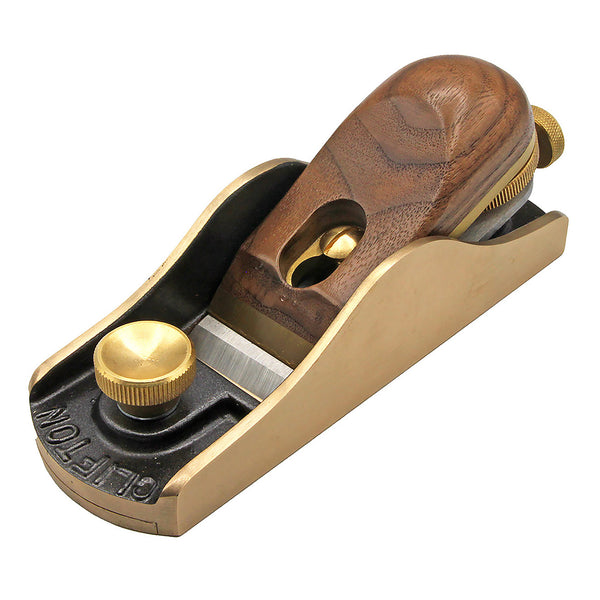 Cepillo de bloque de ángulo bajo con boca ajustable Clifton $449.90
 -
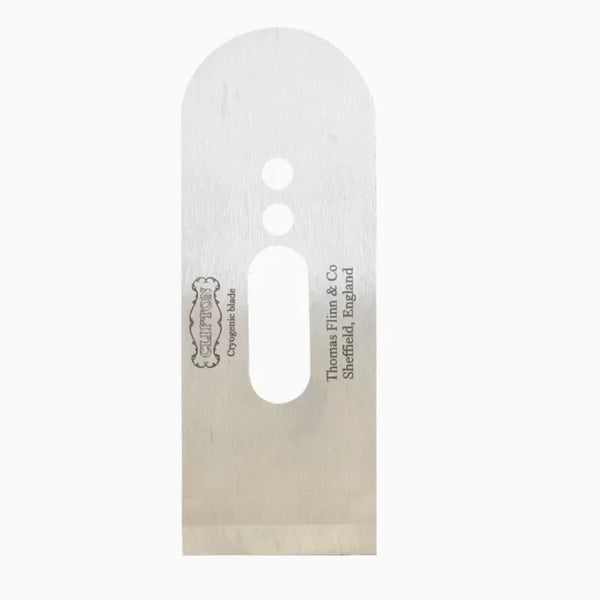 Hoja de repuesto para cepillo de bloque Clifton $69.90
 -
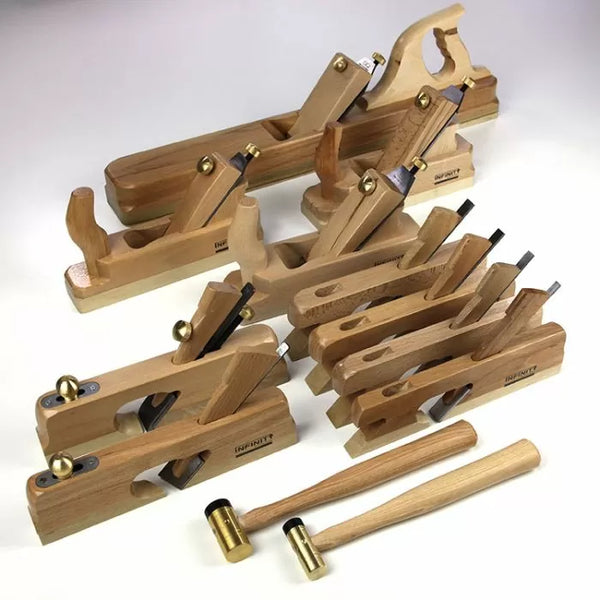 Sale Paquete de cepillos de mano de 12 piezas de Infinity Tools $799.90
 Regular price $973.80 -
 Sale Paquete de cepillos de banco de 4 piezas de Infinity Tools $399.90
 Regular price $469.60 -
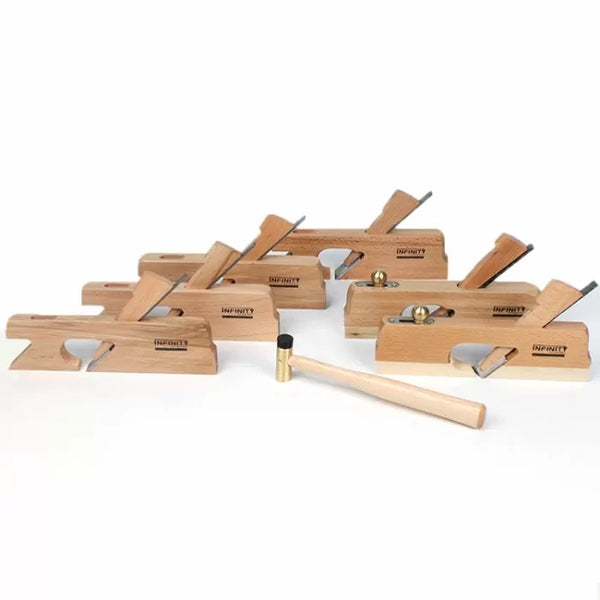 Sale Paquete de cepillos de ranurar de 7 piezas Infinity Tools $399.90
 Regular price $469.30 -
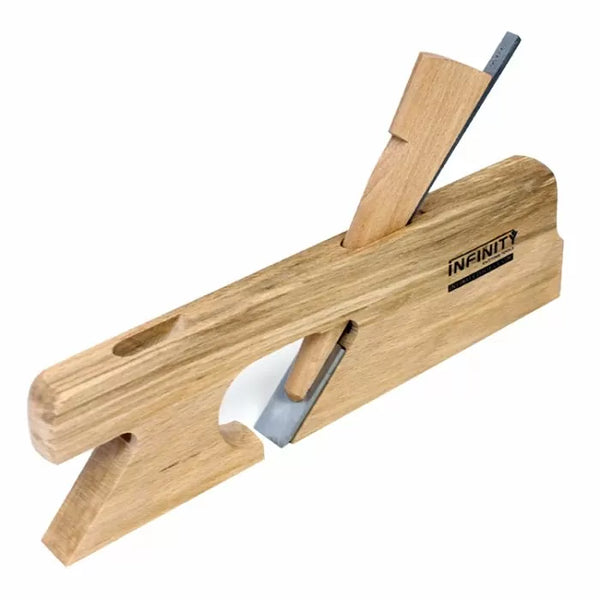 Cepillo de mano para madera con doble ranura de Infinity Tools $39.90 Add to cart
 -
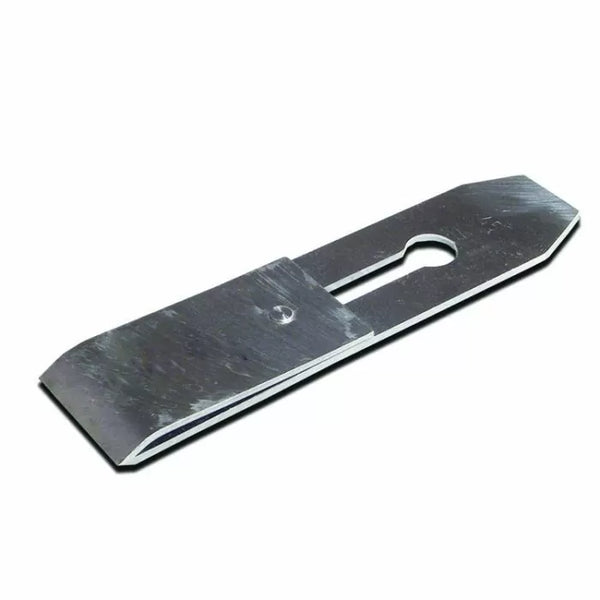 Cuchilla de repuesto y rompevirutas Infinity Tools para cepillos de alisar y de nivelar $39.90
 -
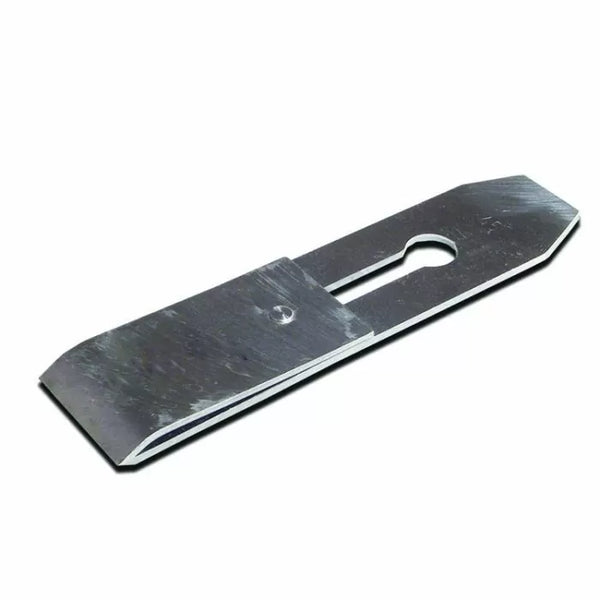 Cuchilla de repuesto y rompevirutas de Infinity Tools para cepillo de regrueso $39.90
 -
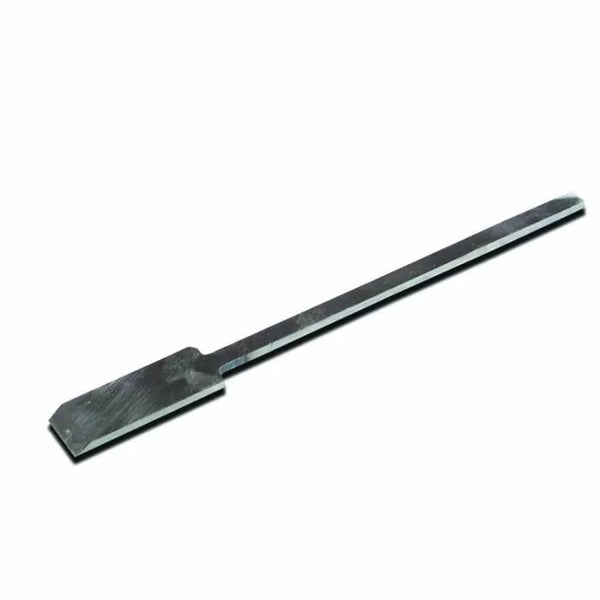 Hoja de repuesto para cepillos de mano de doble ranura de Infinity Tools $14.90 Add to cart
 -
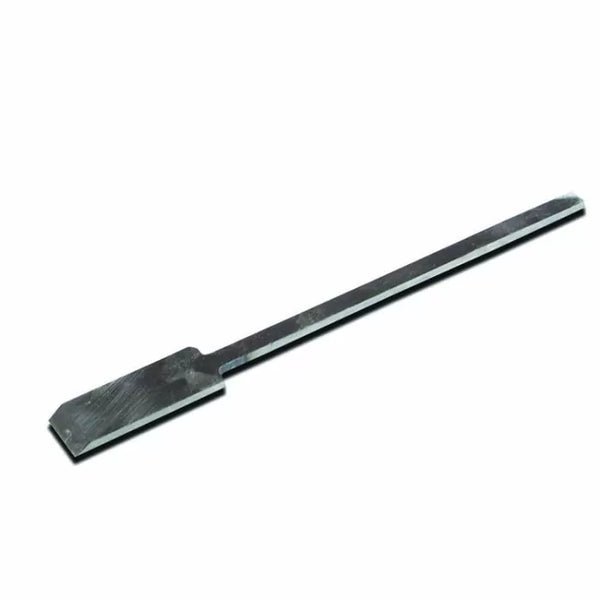 Hoja de repuesto Infinity Tools para cepillo de ranurar, 30 mm $29.90
 -
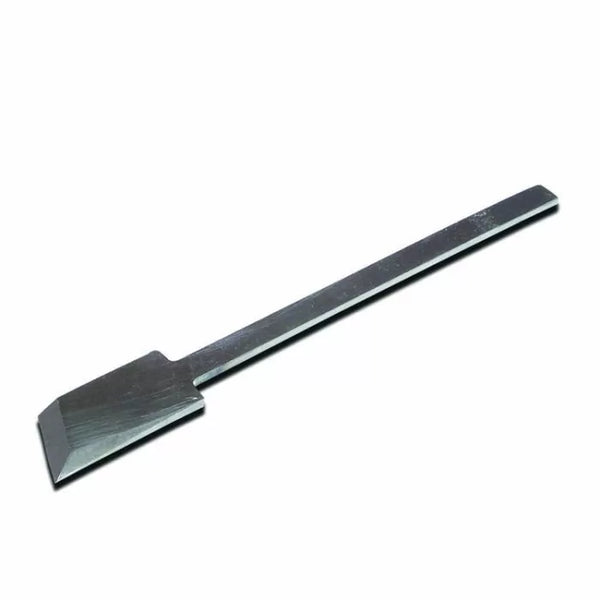 Hoja de repuesto de Infinity Tools para cepillo de ranurar oblicuo, 24 mm $29.90
 -
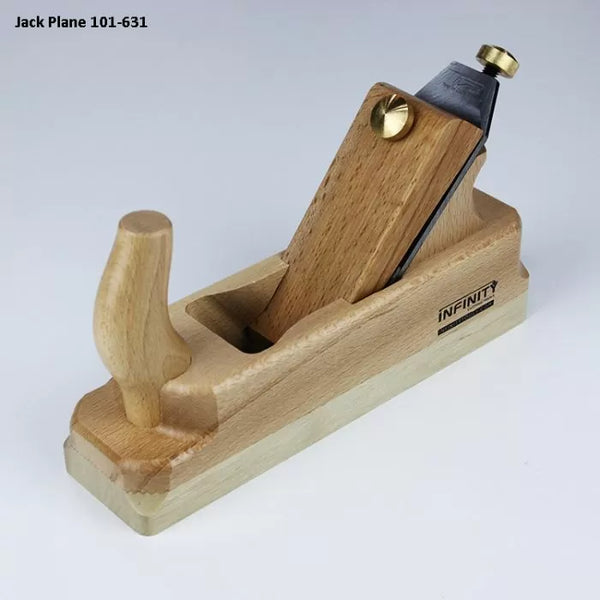 Cepillo de mano Wood Jack de Infinity Tools $99.90
 -
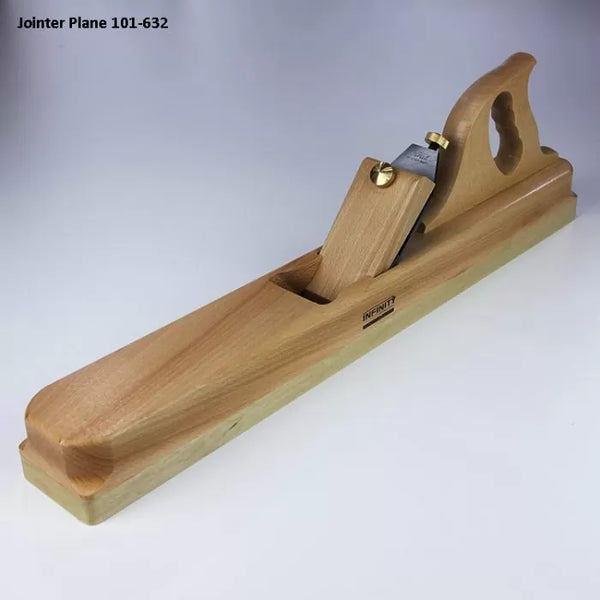 Cepillo de mano para ensamblar madera Infinity Tools $159.90
 -
 Cepillo de mano para ranurar madera Infinity Tools, 30 mm $149.90
 -
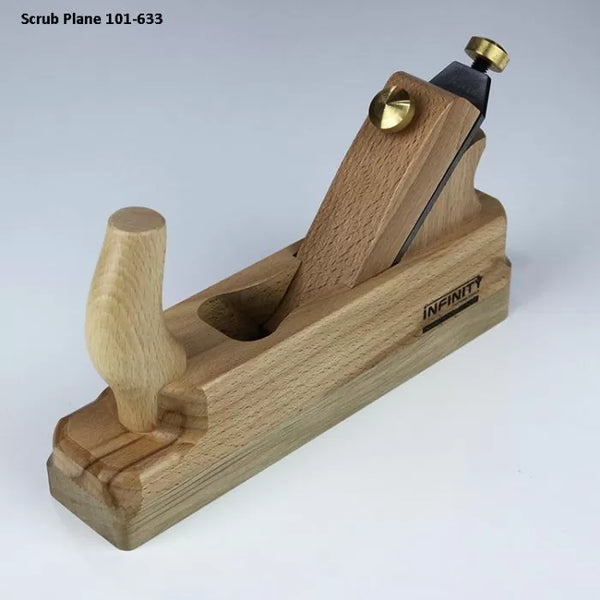 Cepillo de mano para fregar madera Infinity Tools $99.90
 -
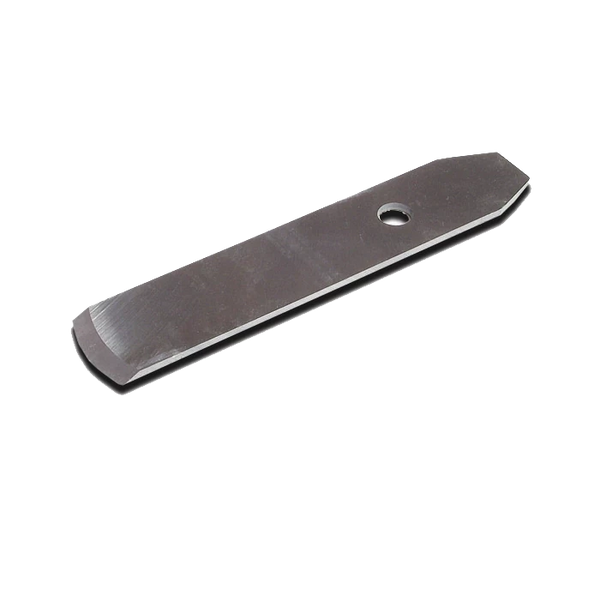 Hoja de repuesto para cepillo de mano para fregar madera de Infinity Tools $39.90
 -
 Cepillo de mano para ranurar madera de Infinity Tools, 24 mm $129.90
 -
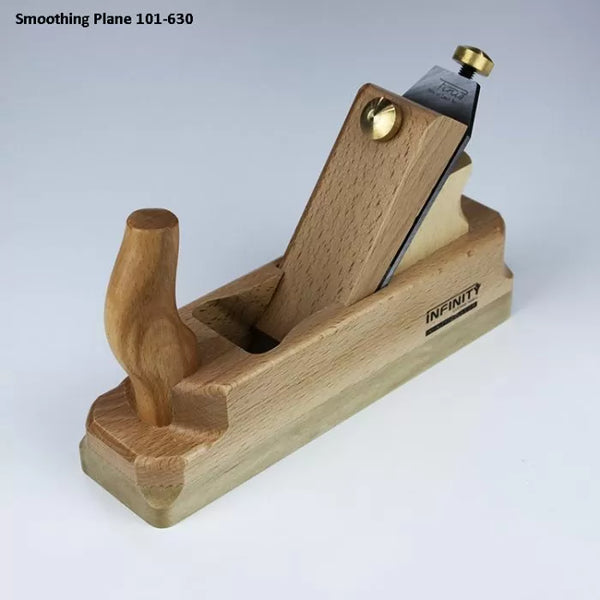 Cepillo de mano para alisar madera Infinity Tools $109.90
 -
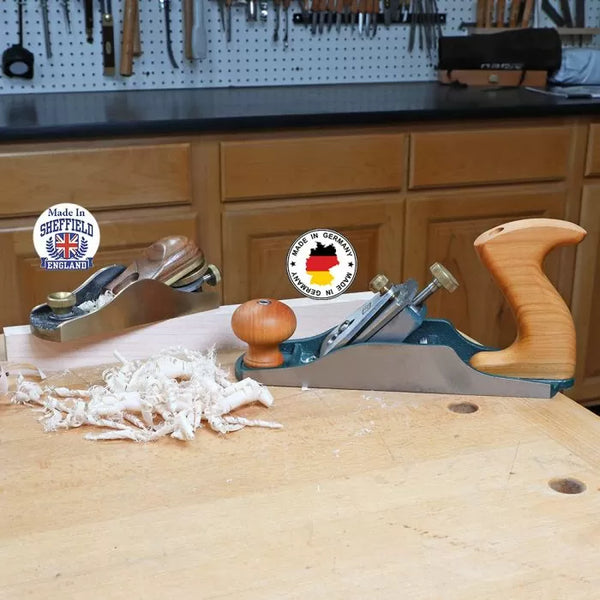 Sale Paquete de 2 cepillos de mano esenciales para carpinteros de Infinity Tools $599.90
 Regular price $665.80 -
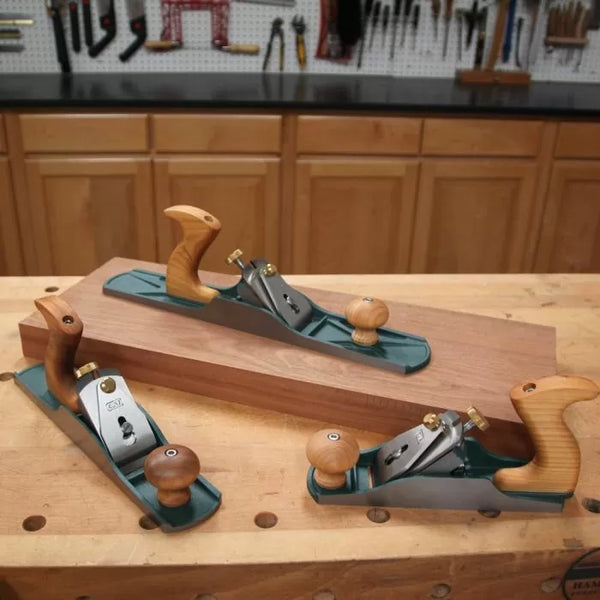 Sale Juego de 3 cepillos de banco Kunz Plus $949.90
 Regular price $1,019.70 -
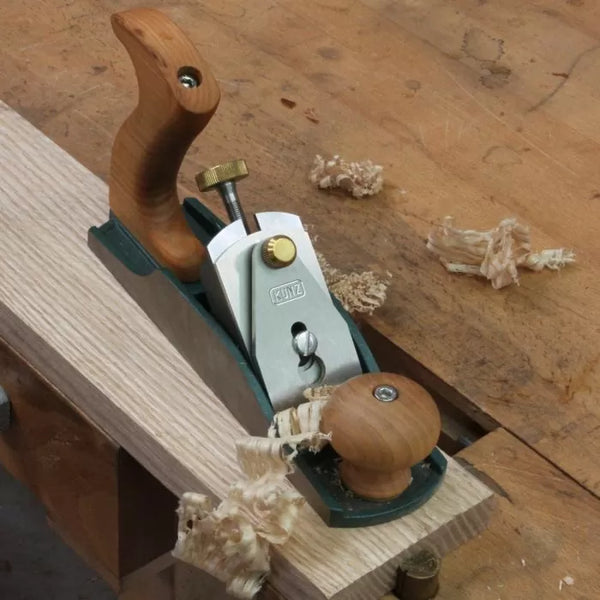 Cepillo alisador Kunz Plus No. 4 $299.90
 -
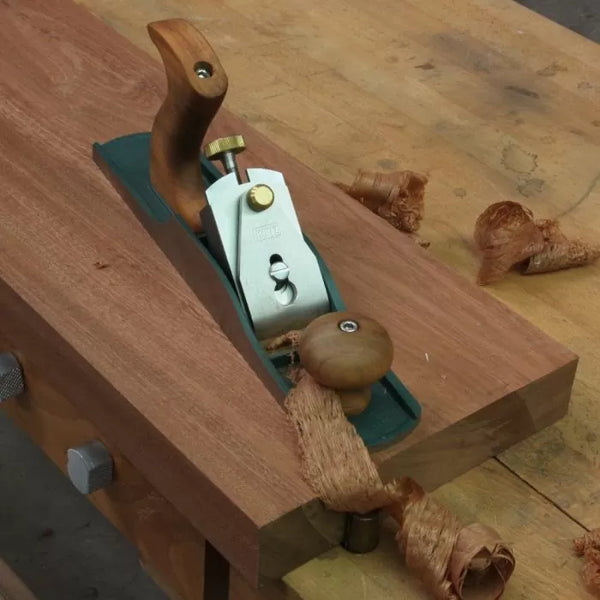 Cepillo de dientes Kunz Plus No. 5 $319.90
 -
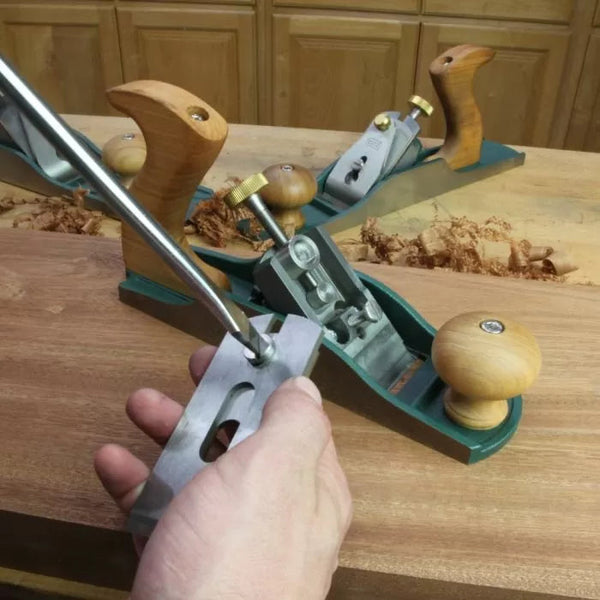 Cepillo de mano Kunz Plus No. 6 $399.90
 -
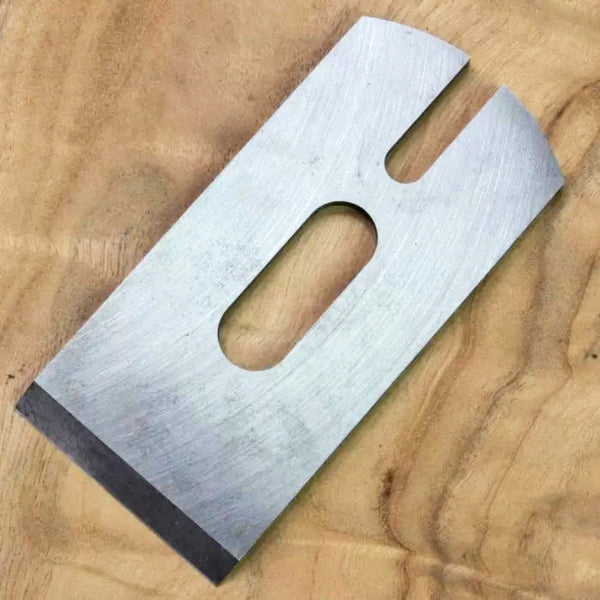 Cuchilla de repuesto Kunz para Kunz Plus n.º 4 o n.º 5 $54.90


Explore la colección de cepillos de mano y cepillos de mano de Infinity Tools, diseñados para entusiastas de la carpintería que buscan herramientas manuales tradicionales para alisar, unir y dar forma a la madera con precisión y artesanía.
